News
-
Selecting Metalworking Fluids: What’s the Difference Between Semi-synthetic, Fully Synthetic, and Emulsion Fluids?
The core differences among these three types of water-based cutting fluids based on the base oil content and the size of their emulsion particles, which directly determine their lubricating properties, cooling capabilities, stability, and service life. Emulsion fluids: the highest mineral oil content over 70%. They have good lubricity and low costs, and are gentle on operators' skin. However, emulsion fluids have poor emulsion stability and are prone to separation. They are also susceptible to bacterial growth and odors in summer, resulting in a short service life. They are suitable for rough machining and low-speed, heavy-duty cutting operations, such as turning cast iron or drilling ferrous metals. Semi-synthetic cutting fluids: less than 50% mineral oil and incorporate a important amount of chemically synthesized additives. With superior cooling efficiency and biological stability compared to emulsions, and excellent detergency and resistance to separation. Semi-synthetic cutting fluid represents the most cost-effective choice for mixed-material production lines, medium-precision turning, milling, and grinding, and operations involving both aluminum alloys and steel. Fully synthetic cutting fluids: no mineral oil, it’s mainly composed of polymers and water-soluble additives. Fully synthetic cutting fluids provide the best cooling performance and biological stability, offering a long service life without odor issues and excellent cleaning performance. They are ideal for high-speed, precision machining and processes requiring high surface finishes. However, fully synthetic cutting oils’ lubricity is relatively lower, they are sensitive to hard water, and come at a higher price point. They are essential for high-speed grinding, precision bearing manufacturing, and finish turning of stainless steel. For rough machining cast iron, an emulsion fluid suffices; for mixed-material lines and medium-precision work, semi-synthetic fluids are most suitable; for high-speed, precision machining requiring high surface quality. Fully synthetic fluids are easily to break down. If workshop management is average—meaning no one is actively monitoring concentration and pH levels—choosing a semi-synthetic or fully synthetic fluid with high biological stability can save a great deal of trouble.
2026 08/14
-
Key Benefits of Pentaerythritol Esters in Refrigeration Oils
As refrigerant regulations push the industry toward HFCs and next-generation blends, the lubricant inside a compressor has moved from an afterthought to a critical design variable. Among synthetic options, pentaerythritol esters (POEs) have become the preferred base stock for HFC systems. This molecular stability holds whether the application is a residential split system running at moderate load or an industrial low-temperature freezer under continuous duty. Essentially, this stuff is the blood of the system. It has to lubricate tight-tolerance parts while sloshing around with the refrigerant. Penta-PE is pentaerythritol and fatty acids. What makes it special is the lack of hydrogen atoms at the beta-position—a structural quirk that gives it natural heat resistance. Add in some polar groups that love to stick to metal, and you’ve got a base oil that actually performs under pressure. The Real-World Payoffs: No More Clogs: Forget oil pooling at the evaporator’s cold end. Penta-PE mixes cleanly with HFCs like R134a, even at critical solution temps below freezing. It stays in suspension, ensuring the oil makes it back to the compressor instead of choking a capillary tube. Cold-Start Confidence: When the thermometer plummets, conventional oils turn to sludge. Penta-PE stays fluid below -40°C, so you’re not gambling on a successful start-up in deep winter. Built to Last: Esters typically hate water, but modern Penta-PE formulations have solved this. By pushing esterification to the limit and adding scavengers, we’ve tamed hydrolysis. The result is less acid, fewer deposits, and a cleaner system over thousands of hours. A Film That Stays Put: Those polar molecules aren't just floating around; they latch onto metal surfaces. This creates a tenacious film on rotors and bearings that actually reduces wear, rather than just being swept away by the refrigerant. Chorus can supply a wide variety of synthetic esters for the lubricant industry, including pentaerythritol esters, diesters, trimellitate esters (TM), trimethylolpropane esters (TMP), and other polyol esters (POE). Please contact us to obtain the specifications and latest pricing for our synthetic esters.
2026 08/12
-
What’s the difference between ashless hydraulic oil and the common hydraulic oils?
What’s the difference between ashless hydraulic oil and the common hydraulic oils? The commonly used hydraulic oils contain a zinc additive (ZDTP/ZDDP), with high performance such as anti-wear and anti-oxidation. But the zinc will have a chemical reaction with silver and copper. Ashless hydraulic oils use non-metal ashless additives that can avoid the corrosion risk, but with a higher cost. The 3 major applications of ashless hydraulic oils. Application 1: the precious hydraulic systems with silver and copper alloy. High-precision components such as servo valves, electro-hydraulic converters, and aviation hydraulic parts are usually used with pure silver or silver plating. The zinc and silver in the common hydraulic oil will take a displacement reaction, causing continuous corrosion of the surface precision and leading to parts friction and seal failure. In some high-pressure piston pumps and hydraulic motors from major brands like Eaton, Vickers, and Rexroth, the core components are made of copper alloys. The components that use zinc hydraulic oil will increase the electrochemical corrosion, causing internal leakage and pressure drop. Application 2: heavy loading equipment under high temperature and high pressure for long operation. Metallurgical rolling mills and continuous casting production lines operate under the high-pressure conditions of high temperature over 70℃ and high pressure over 35MPa, the common hydraulic oil will oxidize, deteriorate, and forming sludge to clog the oil passages and filter elements. However, the ashless hydraulic oil has an excellent performance of high temperature anti-oxidation and can inhibit the sludge formulation, prolong the oil change period. Construction machinery-such as excavators, shield tunneling machines, and cranes-is frequently subjected to high-pressure shock loads and rapid temperature fluctuations; ashless hydraulic oil can significantly enhance operational reliability. Application 3: High-humidity environments prone to water ingress Marine vessels, offshore platforms, mining machinery, and water conservancy equipment often operate in open-air, high-humidity environments where rainwater or seawater can easily infiltrate the hydraulic system. Ashless hydraulic oils offer excellent hydrolytic stability and demulsibility, effectively preventing oil degradation and ensuring stable system operation. Summary of Selection Logic Components made of copper-silver alloys + servo precision control systems → Ashless oil is mandatory. High temperature/pressure + extended oil change intervals + risk of water ingress + high cleanliness requirements → Prioritize ashless oil. Standard low-to-medium pressure systems without precision metal components and with limited budgets → Conventional hydraulic oil suffices. Simply put: for any equipment labeled "servo," first check if it contains silver-plated copper alloy components; if it does, do not hesitate—choose ashless oil.
2026 08/07
-
PMA Pour Point Depressant Selection — Chorus T602/T248 Achieve 15–25°C Lubricant Pour Point Reduction
Under extreme cold operating conditions, the low-temperature fluidity of lubricating oils has become a focal point for formulation upgrades. Additive supplier Chorus recently released a technical guide on polymethacrylate (PMA) pour point depressants (PPDs), offering a dual-function solution to low-temperature flow-loss issues in engine oils, gear oils, and hydraulic oils. 1. Why Do PMA Pour Point Depressants Dominate High-End Formulations? As oil temperature drops, paraffin flake crystals in the base oil interlock into a three-dimensional network, causing the oil to solidify. Pour point depressants (PPDs) intervene at the initial crystallization stage, keeping wax crystals fine and dispersed to maintain flow. Common types on the market include EVA, PAO, alkyl naphthalene, and PMA. Among these, PMA has become the top choice for premium lubricants due to its dual function of "pour point depression + viscosity index improvement (VII)." 2. Chorus T602 and T248 Test Data Chorus T602: Suitable for Group I/II/III medium-to-low viscosity base oils (e.g., 150SN). At a 0.5% treat rate, pour point reduction 10–24°C (examples: Maoming 6 drops 24°C, Huizhou 150N drops 22°C). Chorus T248: Designed for Group II/III/III+ and hydrotreated high-viscosity oils. At a 0.3% treat rate, GTL100 pour point hits -55°C, SK 500N reaches -30°C, and Abu Dhabi 100N achieves -42°C. 3. Core Product Advantages With only 0.1%–0.5% dosage, a 15–25°C pour point drop is achieved; narrow molecular weight distribution delivers excellent shear stability for long-lasting low-temperature performance; broad compatibility across various base oil families. 4. Technical Selection Reminders The carbon number of PMA side chains must match the wax in the oil (C14 esters optimal); most effective in high-wax paraffinic base oils. Fast cooling aids the effect, while detergents and dispersants in the formulation may interfere with migration, requiring compatibility verification. Beyond pour point depressants, Chorus also supplies additive packages for rust prevention, extreme pressure, and anti-oxidation. Contact us for customized quotes.
2026 08/05
-
PAG Lubricants: Staying Stable in Compressor Service
Industrial air compressors—screw, piston, and centrifugal—depend on dedicated lubricants to reduce friction, remove heat, and seal moving surfaces. The base oils most used today are mineral oils, polyalphaolefins (PAO), and polyalkylene glycol (PAG). PAG sees wide use in high-temperature chain oils, refrigeration, and compression because its overall physical and chemical behavior holds up well. What gives PAG its oxidation and coke resistance is its fully saturated ether-bond backbone. That structure is inherently self-cleaning. Under constant high heat and pressure, regular oils undergo chain oxidation: acid accumulates, viscosity rises, and eventually the fluid gels. PAG degrades along a different path. Its breakdown products vaporize and leave the system, and it can dissolve early oxidation byproducts before they harden. This cuts off carbon deposits, varnish, and sludge at the source. The field results make the difference obvious. Mineral-based oil reached nearly a 50% viscosity increase and double the acid value by about 4,000 hours. A PAG blend, on the other hand, kept a slow, steady decline curve out to 8,000 hours. A real case shows the downside of ignoring this: a plant tried to save money by mixing in a different brand, and inside 2,000 hours, heavy coking set off the motor overcurrent alarm. It's a clear case for never mixing lubricant types. Add in very low water absorption and a high viscosity index, and PAG also delivers wide-temperature flow, corrosion protection, and deposit control. That adds up to longer drain intervals, retained heat-exchange efficiency, and better overall equipment reliability.
2026 07/30
-
Why do synthetic ester base oils have a higher price?
Why do synthetic ester base oils have a higher price? Synthetic oils have excellent oxidative stability, hydrolytic stability, volatility, lubricity and biodegradability, but the price is 3-8 times that of mineral oil under the same viscosity cost and is higher than PAO. What is synthetic ester type oil? Ester oils have an ester base functional group - COOR, which is synthesized through the esterification of organic acids and alcohols. According to the structure, ester oils can be divided into 3 types: di-esters with excellent low-temperature liquidity, polyol esters have a wider temperature application over 200℃, and polymeric esters are suitable for high-load gear oils. Different ester oil structures can be used for different applications. Biodegradability is a key advantage. According to reports from *Lubricant & Additive Technology Frontiers, the global market for biodegradable synthetic ester oils is projected to surpass $2.9 billion by 2025, with the replacement of mineral oils in sectors such as textile printing and dyeing serving as the primary growth driver. Why are synthetic ester oils more expensive? First, the raw materials are expensive. High-purity organic acids and alcohols are far more expensive than crude oil derivatives. The acid value control is the core, which means the lower the acid value, the more complete the esterification. But it needs precise processing control and after-treatment. Second is the production capacity. With domestic synthetic ester capacity at approximately 80,000 tons-compared to over 150,000 tons for PAO - the lack of economies of scale drives up unit costs. Third is the certification. The certification processes for aviation, nuclear power, and food-grade are lengthy, and the associated costs add a significant amount to the price per ton of lubricant. Why use synthetic ester base oils? Aviation engine oil is the largest high-end application for ester-based oils, utilizing ester base oil almost exclusively. High discharge temperatures in screw air compressors cause mineral oils to coke easily, leading to their rapid replacement by synthetic ester oils. The fact that ester oils are irreplaceable in applications involving high temperatures, heavy loads, and long service lives—such as wind turbine gear oils and high-end greases—is a major reason for their high cost. According to the report, the lubricant oil requirements in automotive and aviation sectors are increasing, and the demand for environmental protection is also increasing; the use of synthetic ester oils is increasing continuously. PAO, synthetic esters, and PAG are the most commonly used 3 synthetic base oils, but ester oils have a more excellent performance in biodegradability and extreme-pressure lubrication. The high price of ester base oils is not because of the brand effect, but the performance advantages from the molecular structure. When equipment operating conditions push mineral oils to their limits, ester-based oils become an indispensable choice.
2026 07/24
-
What are the Action Mechanisms of Metal Deactivators?
Metal deactivators are indispensable, essential components in high-performance oils. They function primarily in two ways: first, by controlling the corrosive action of active sulfur; second, by controlling the oxidative catalysis of lubricants caused by metal media. Widely applied in the field of lubricants. What are the Action Mechanisms of Metal Deactivators? 1. Film-Forming Action Metal deactivators are organic compounds containing S, P, N, or other non-metallic elements. They form a dense, stable chemical protective film on the metal surface to prevent corrosion, block metals and their ions from entering the oil, and weaken their catalytic oxidation effect on the oil. This chemical film also prevents active sulfur, organic acids, or free radicals from attacking the metal surface, thereby protecting the metal. 2. Chelating Action Metal deactivators form stable chelates with metal ions or precipitate metal ions into insoluble substances, thereby masking the catalytic activity of the metal ions. Metal deactivators suppress the catalytic effect of metals or their ions on oxidation, acting as effective antioxidants while also serving as excellent copper corrosion inhibitors, anti-wear agents, and rust inhibitors; thus, they are widely used in various oil products. Can metal passivators be used alone as rust inhibitors? Metal passivators inhibit the catalytic oxidation reactions of lubricants caused by metal ions. They are generally used in dosages ranging from 0.001% to 0.2% and are not used alone; when combined with antioxidants, they exhibit an excellent synergistic effect. Chorus is a professional supplier of lubricant additives, offering metal deactivators and antioxidant packages suitable for various application scenarios. We can provide the latest quotes on the same day—feel free to contact us!
2026 07/21
-
The concentration of cutting fluid is normal ,why the workpiece still rust?
The concentration of cutting fluid is normal ,why the workpiece still rust? One of the most frustrating scenarios in the workshop is that the concentration of the cutting fluid has measured repeatedly. Although the result is within the recommended range, the workpiece still rust and the rust spots appear on the machine tool guideways. The rust of cutting fluid is not anti-rust oil. It’s the biggest mistakes. Water-soluble cutting fluid can provide a short period rust protection during the workpiece processing, but it’s not anti-rust oil. The rust effect can last for several hours to days. If the workpiece finished processing over 48 hours, it had better use the special rust preventive oil. Many factories take the cutting fluid as the universal rust oil, and put the workpiece in the workshop after production. In summer, once the humidity rises, the workpiece will rust in half a day. Meeting concentration standards does not equate to meeting active ingredient standards. A refractometer is the most common tool for checking concentration and measuring the refractive index rather than the content of active ingredients. After using cutting fluid for a period—due to water evaporation, bacterial growth, and the depletion of rust inhibitors—the refractometer might still show 5%, even though the concentration of the active ingredients providing rust protection may have actually dropped below 2%. Correct approach: Periodically determine the active ingredient content using acid-base titration; do not rely solely on the refractometer. Samples should be sent for analysis at least once a month. Water quality is the first element that be ignored. Many factories use running water as the base fluid to formulate directly, but the water hardness has a significant impact on the cutting fluid's rust preventive protection. When chloride ion concentrations in the water exceed 200 ppm or sulfate ion concentrations exceed 300 ppm, the anti-rust film is compromised as the ions penetrate and destroy it. This issue is particularly severe in coastal areas. pH value is the signal The normal pH value is 8.5 to 9.5. When it is lower than 8.5, the bacteria will grow and the rust protection will fail. If the pH value is higher than 10 that can result in ferrous corrosion. Different working processes need different rust preventive demands. Aluminum alloy machining is susceptible to alkaline corrosion, so the pH level must not be too high; cast iron is highly prone to rusting, requiring a slightly higher concentration (by 2–3%); and copper alloy machining is sensitive to ammonium ions, necessitating the use of cutting fluids free from amine-based rust inhibitors. A "one-size-fits-all" concentration standard is often the root cause of rusting issues.
2026 07/17
-
How to Handle 40°C Startup and High Temperature Safety with Vacuum Pump Oil?
How to Handle 40°C Startup and High Temperature Safety with Vacuum Pump Oil? Choosing the Right Base Oil Is the Key Under cold temperatures or in applications with extreme conditions, how can a vacuum pump achieve reliable cold startup at 40°C while ensuring safe operation at high temperatures? This is a classic wide temperature range lubrication challenge. For vacuum pump oil, the key to conquering both extreme cold and extreme heat lies not in additives, but in the selection of the base oil. Why Is Mineral Oil Unsuitable? Many traditional facilities still use mineral oil based vacuum pump oils. For standard operating conditions, they offer good cost effectiveness. However, when faced with 40°C low temperatures, the shortcomings of mineral oils become glaringly apparent. Mineral oils have complex and irregular molecular structures, and their wax content tends to crystallize at low temperatures, resulting in a relatively high pour point. At 40°C, the oil cannot flow instantly to the friction points, causing dry wear and even burning out the motor. On the hightemperature side, the light fractions of mineral oils readily evaporate, which not only reduces vacuum level but also promotes sludge and carbon deposit formation, posing safety hazards. Advantages of Poly alpha olefin (PAO) The current industry-recognized mainstream solution is poly alpha olefin (PAO). PAO has a uniform molecular structure and contains no wax. High-quality PAO base oils can have pour points as low as 50°C or even lower. In the extreme cold of 40°C, it still maintains excellent fluidity and can be instantly pumped to all lubrication points. PAO features a high viscosity index, meaning its viscosity changes very little with temperature variations. Under high temperature conditions, it maintains adequate film thickness without thinning or leaking out. More importantly, PAO offers excellent thermal oxidative stability, resisting sludge and carbon deposit formation at elevated temperatures, which significantly reduces the risk of dry running in the pump and minimizes the chances of oil backstreaming and contaminating the vacuum system. The Combination of PAO and Synthetic Esters Although PAO delivers outstanding performance, high-end vacuum pump oil formulations often incorporate synthetic ester oils in combination to achieve ultimate performance. Ester oils are polar and exhibit strong adsorption affinity to metal surfaces, forming a more tenacious lubricating film that compensates for PAO’s limitations under certain extreme boundary lubrication conditions. At the same time, ester oils have excellent solubility for additives, allowing antioxidants and anti-wear agents to perform more effectively. The PAO ester combination ensures fluidity at 40°C while securing the high temperature safety margin, making it the current mainstream approach for addressing wide temperature range vacuum pump lubrication. Oil Selection Recommendation As an equipment manager, if your vacuum pump operates outdoors in severe cold or under high process temperatures, be sure to select synthetic vacuum pump oils based on PAO or PAO blended with esters. Such products extend oil drain intervals and reduce downtime for maintenance and repairs.
2026 07/10
-
Whether Hydraulic Oil Has Darkened and Deteriorated and Needs Changing in Summer
3 Indicators to Determine Whether Hydraulic Oil Has Darkened and Deteriorated and Needs Changing in Summer The common hydraulic oil maintenance in summer is that the hydraulic oil darkens; does it need to be changed? Why is hydraulic oil easily darkened in summer? The truth of hydraulic oil darkening is oxidation. High temperature is the oxidation accelerator. The rate of oxidation doubles for every 10°C rise in temperature. The working temperature of hydraulic oil is commonly at 60-70°C, the open-air equipment even over 80°C, and the oxidation rate of mineral-based hydraulic oil is 4-6 times higher than in winter. The oxidation products are dark-colored gums and sludge, which is why the oil appears to have turned black. The metal particles generated by wear in the hydraulic system are oxidation catalysts. The more contaminated the fluid becomes, the faster the oxidation is, and create a vicious cycle. That’s why hydraulic fluid seems to darken increasingly rapidly once it starts turning black—it is not an illusion, but the result of accelerating chemical reactions. To determine whether an oil change is necessary, consider these three indicators: Indicator 1: Total Acid Number (TAN) TAN is the most direct parameter for measuring the oxidation level of hydraulic oil. New oils’ TAN is typically at 0.05–0.1 mgKOH/g. When the TAN increases above 0.5, it indicates the oxidation is significant. While it exceeds 1.0, the hydraulic needs to change necessarily. Why is TAN important? Acidic substances generated by oxidation will corrode the hydraulic components, especially for the copper valve spools and seals. Many instances of "valve sticking" stem not from poor valve quality, but from excessive acidity and failure to change the oil in time, causing the spool to seize due to corrosion. Indicator 2: Moisture Content High humidity and significant temperature fluctuations in summer intensify the hydraulic system's "breathing effect," causing the reservoir to draw in moist air and leading to condensation mixing with the oil. Even trace amounts of moisture (0.05%–0.1%) will reduce oil film strength and accelerate additive hydrolysis. If the moisture content exceeds 0.2%, dehydration or an oil change is necessary. Indicator 3: Particle Contamination Level Hydraulic oil turns black partly due to the suspended carbon particles and metal wear debris. According to the ISO 4406 standard, new oils’ contamination level is typically within the 18/16/13 range; if contamination levels rise above 22/20/17, it shows the filtration system has failed or that wear is accelerated, requiring an oil change or enhanced filtration. Recommendation: Change oil from mineral oil to synthetic hydraulic oil Compared with standard 46 mineral hydraulic oil, PAO-based 46# synthetic oil offers 3-5 times the oxidation stability as mineral oils. The TAN increases much more slowly during high summer temperatures, and the oil change interval is extended from 2,000 hours to over 4,000 hours. Although synthetic oil is more expensive, the saved costs on labor and reduced downtime losses far outweigh the price difference. Don't wait until the oil turns completely black before thinking about changing the hydraulic oil. The pump may already be worn out. Regularly monitoring acid value, moisture content, and particle count is the truly cost-effective maintenance strategy.
2026 07/01
-
Why PMA Holds Its Ground in Low-Temperature Hydraulic Oil Formulations
Below -25°C, the viscosity of hydraulic fluids becomes the variable that determines whether equipment starts or sits idle. Oil that flows fine at room temperature can restrict pump flow enough to load motors, starve cylinders, and generate contact wear — all before the system has had a chance to warm up. It's a failure mode that shows up reliably on Arctic construction sites, offshore deck systems, and in underground mining operations, and it's the problem PMA viscosity index improvers are built around. PMA's performance across temperature ranges comes from how its molecular chains respond to heat. At low temperatures, the chains contract and contribute minimal viscosity of their own, letting the base oil flow freely. As the system warms, those same chains uncoil and thicken the oil, maintaining the film strength that protects pump internals and valve seats. Olefin copolymers can provide adequate high-temperature thickening, but their low-temperature performance typically falls short. With PMA, that tradeoff largely disappears. Certain PMA grades crystallize around nascent paraffin wax as it begins to precipitate — blocking the large interlocked structures that gel the fluid. In a Group II base oil with a native pour point of -18°C, a 1.5% PMA treat brings that down to -43°C. When pre-heating isn't an option and a cold start has to work the first time, that 25-degree shift is the margin that counts. Shear stability is where the test data gets specific. KRL (20h) SSI around 49% and diesel injector (30 cycles) SSI below 4% on commercial PMA grades indicate the oil holds its viscosity grade across extended service — relevant when drain intervals are long or field top-up is difficult. Not every VII performs consistently across both test methods. PMA tends to. Chorus Chemical's T602HB puts a figure to each of these properties: 18.9 mm²/s kinematic viscosity increase at 100°C from a 10% dose; pour point down to -43°C at 1.5% in Group II base stock; KRL SSI of 49. For cold-climate hydraulic formulation, a single additive that covers viscosity index, pour point, and shear stability in the same treatment simplifies the blend and cuts cost — a practical argument, not just a performance one.
2026 06/25
-
Chorus Lubricant Additive at the 2026 Shanghai International Lubricants Expo
Zhengzhou Chorus Lubricant Additive Co., Ltd. is a professional lubricant additive manufacturer and supplier in China. Chorus participated in the Shanghai International Lubricants Expo from June 9-11, 2026. Chorus shows its respect to every customer and provides excellent, selective solutions for lubricant additives. Featured products: lubricant additive packages, Extreme Pressure (EP) anti-wear additives, rust preventive inhibitors, polyalkylene glycols (PAG), synthetic ester base oils, and other lubricant additives. Chorus showed lubricant additives, metalworking fluids, and other related additives, including PMA-type pour point depressants, high-molecular-weight polyalkylene glycols (PAG) for quenching, and synthetic ester base oils. Polymethacrylate (PMA) pour point depressant offers excellent pour point reduction and good shear stability. It is suitable for engine oils, gear oils, hydraulic fluids, and other lubricants. With the excellent shear stability and low viscosity, PMA-type pour point depressant (PPD) can be widely used in various lubricant oils. The High Viscosity Water Soluble PAGs are used as a thickener in HFC fire-resistant hydraulic fluids. They are also used in metal quenching fluids and metalworking fluids. PAG (Polyalkylene Glycol) is used for quenchants combine the high cooling capacity of water and the safety and uniform quenching characteristics of oil and has the advantages of excellent quenchant performance, safety and environmental friendliness. Chorus provides a variety of synthetic ester base oils for lubricant applications, including engine oils, hydraulic fluids, aviation lubricants, compressor oils, chain oils, gear oils, and other industrial lubricants. Our synthetic ester base oils feature excellent oxidation stability and thermal stability, good low-temperature fluidity, high viscosity index, and outstanding biodegradability. In addition, we supply other lubricant additives and additive packages, such as gear oil additive packages, viscosity index improvers, and antifreeze corrosion inhibitors. Contact us for more information and the latest price.
2026 06/24
-
The selecting hydraulic fluid varies depending on the material.
Using a single type of cutting fluid across the entire plant may seem like a way to save on procurement costs, but in practice, the tool wear, surface defects, and shortened fluid sump life far outweigh the savings. The different materials have distinct differences in the cutting fluid. Choosing the wrong cutting oil is not just a matter of making do, but leading to more losses. Aluminium alloys: They are vulnerable to adhesion, corrosion, and discoloration. Main questions: the materials are soft and prone to sticking to the tool, which compromises the surface finish. Requirements: using the cutting fluids only for aluminium cutting oils (pH 8.0-8.5). The cutting fluid for aluminium should contain aluminium corrosion inhibitors to prevent discoloration or white spotting. The semi-synthetic fluids are superior to fully synthetic ones. Common mistake: using cutting fluid for steel that leads to surface staining. Stainless steel: It’s vulnerable to hardness, heating, and cold welding. Main questions: stainless steel has a poor thermal conductivity and strong work-hardening tendencies. If the cutting zone’s temperature is over 600 ℃, the common cutting fluid can not form a useful lubricant film. Requirements: it should use extreme-pressure (EP) type cutting fluids, which contain sulfur, chlorine, or phosphorus additives. Or using high oil content emulsions or semi-synthetic fluids. The high flow flushing is more effective than simply increasing concentration. Common mistake: using cheap cutting fluids to save cost, resulting in workpiece rust and frequently change cutting fluids. Therefore, the comprehensive cost is higher. Copper alloys: They are vulnerable to discoloration and spotting Requirements: the cutting fluid must be free of active sulfur and have a low oil or fully synthetic formulation. After operating, the copper alloys should be cleaned or coated with anti-rust oils. All in all, there is no universal cutting fluid. Aluminum alloys require low pH and corrosion inhibition; stainless steel requires EP additives and high flow rates; cast iron requires fully synthetic fluids with high chip-settling capabilities; copper alloys require sulfur-free, low-residue formulas. At a minimum, use two categories of fluid: one for aluminum and another for steel. Insisting on a "one-size-fits-all" solution saves money on procurement but leads to losses in tooling, yield rates, and fluid sump longevity.
2026 06/09
-
How does hfc hydraulic oil balance fire-resistant and lubricant performance?
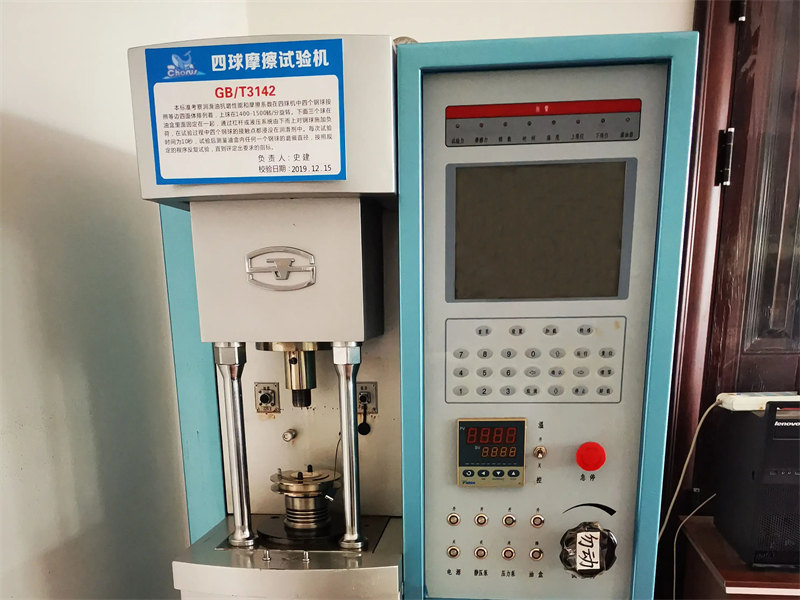
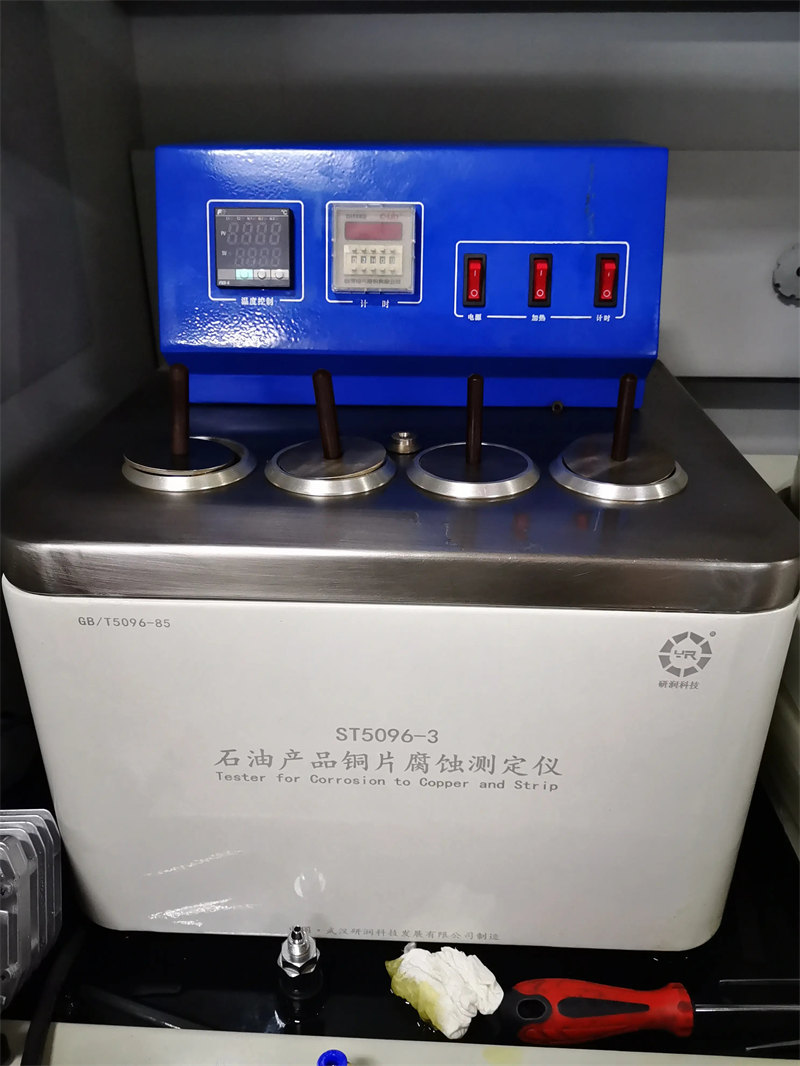
Can the HFC fire-resistant hydraulic oil be high non-flammable and good lubricant? It's a difficult problem for most hydraulic oil users. The disadvantages of traditional hydraulic oils. Owing to its strong fire-resistance, HFC hydraulic fluid has become the first choice of high temperature applications like metallurgy, and continuous casting machines. But the traditional hydraulic fluids has the following shortcomings: Poor lubricity: the traditional hydraulic oils' kinematic viscosity at 40 ℃ is only 43mm²/s (the mineral oil is about 68 mm²/s), which increases the wear. Unstable performance: once the water vapors or mixed with oil sludge, the hydraulic oils' viscosity change quickly, and clog the filter. High temperature failure: is easily to have a chemical reaction under high temperatures, causing the poor oil lubricant film stability. The much progress of hydraulic fluids technology. 1. Molecular-Level Lubrication Enhancement Technology Nanoscale Extreme-Pressure & Anti-Wear Agents: Four-ball test wear scar diameter reduced to 0.50–0.60 mm (compared to approximately 0.8 mm for conventional products). Intelligent Viscosity Regulation: Viscosity fluctuation range reduced by 60% in response to changes in water content. Composite Corrosion Inhibition System: Copper strip corrosion rating ≤ Grade 2; equipment service life extended by 30%. The cooperate formulation of fire-resistant and lubricant Core Composition Functional Innovations Proven Performance High Pure Ethylene Glycol Contains Vapor Phase Rust Inhibitor Provides Rust Protection Even In Unsubmerged Areas Special Additive Packages Incorporates Self-Healing Lubricating Molecules Plunger Wear (At 21 Mpa Pressure)<17 Mg Stable Aqueous Based Precise Ph Control: 9.0–11.0 Resists Stratification And Degradation For 10 Years User Field Trials A continuous casting machine at a steelworks shows the following results: Maintenance Costs Reduced: The replacement cycle for plunger pumps was extended from 6 months to 18 months. Energy Efficiency Improved: System pressure fluctuations were reduced by 15%, and hydraulic energy consumption per ton of steel produced decreased by 8%. Safety Certification: Passed the U.S. FM fire-resistance standard. Selection Guide Application: For high-pressure systems operating above 25 MPa, the HFC-46 type is the preferred choice. Key Specifications: Prioritize checking the Viscosity Index (≥160) and the Falex Friction Coefficient (≤0.08). Compatibility: When retrofitting existing systems, all residual mineral oil must be thoroughly removed (residual oil content must be <0.1%).
2026 05/29
-
Fire-Resistant Hydraulic Fluids: Classification & Selection
Fire-resistant hydraulic fluids are essential for systems operating near high-temperature environments in industries such as metallurgy, mining, and power generation. As industrial equipment faces increasingly demanding operating conditions, the growing emphasis on fire prevention and environmental protection has driven continuous improvements in the quality and performance of these fluids. Current Classification of Fire-resistant Hydraulic Fluids: Synthetic Types 1. Phosphate Ester (HFDR) 2. Polyol Ester (HFDU) 3. Synthetic Hydrocarbon (HFDS) Water-containing Types 1. Water-Glycol (HFC) 2. Water-in-Oil Emulsion (HFB) 3. High Water-based Emulsion (HFAE) 4. High Water-based Chemical Solution (HFS) Key Properties of Fire-resistant Hydraulic Fluids: Fire Resistance Lubricity Corrosion Resistance Viscosity-Temperature Characteristics and Viscosity Stability Material Compatibility Safety and Environmental Properties Performance Comparison of Fire-resistant Hydraulic Fluids Introduction to Common Fire-resistant Hydraulic Fluids Water-Glycol (HFC) Composed of water, ethylene glycol, lubricants, vapor-phase and liquid-phase rust inhibitors, anti-foam agents, and various other specialized additives, this fluid is a hydraulic medium with intrinsic fire resistance. It is primarily used in industrial sectors such as metallurgy, machinery, mining, and marine applications. Phosphate Ester (HFDR) Phosphate Esters offer the highest fire resistance, with a spontaneous ignition point exceeding 550°C. Even if ignited at high temperatures, the flame will not spread. It is mainly used as a fire-resistant turbine oil and within the metallurgical industry. However, it is expensive and difficult to dispose of due to environmental concerns. Synthetic Ester (HFDU) Synthetic Ester is biodegradable through soil microorganisms and is non-toxic.HFDU has a high viscosity index, excellent thermal stability, and minimal pressure, ensuring stable lubrication between friction surfaces. Widely applied in metallurgy, biomass power generation, and mining, it represents an ideal future choice for fire-resistant fluids. Its usage is increasing annually in line with growing global environmental awareness. Chorus supplies a comprehensive range of flame-resistant hydraulic oils, including Water-Glycol and Synthetic Ester types. We can provide solutions based on specific application scenarios. Contact us to obtain the latest pricing and Technical Data Sheets (TDS).
2026 05/27
-
How to choose a suitable hydraulic oil?
The failure of hydraulic systems is partly owing to the hydraulic oils, which are typically due to either failing to select a product in accordance with national standards or using a fluid whose viscosity is ill-suited to the specific operating conditions. This causes the normal wear, low working efficiency, or pump burnout and complete system shutdown. The following are the core standards of the major mainstream hydraulic oils. L-HL hydraulic oil: it’s the basic hydraulic oil for anti-rust and anti-oxidant, with a viscosity index of over 80. And it’s suitable for low pressure and light load capacity under 7MPa. L-HM hydraulic oil: it is mainly used as an anti-wear hydraulic oil for industry, which is divided into common and high-pressure hydraulic oil. The common hydraulic oil’s viscosity index is over 85, and the high-pressure oil’s is over 95. It’s suitable for middle and high-pressure plunger pump and gear pump systems. L-HV low temperature hydraulic oil: it has a wide temperature application, with the viscosity index over 140, and the lowest pour point can reach at -39℃, it’s suitable for extreme cold working conditions with the temperature over -30℃. L-HS ultra low temperature hydraulic oil: it’s suitable for extreme cold areas, and the viscosity index is over 150, the pour point can reach at -45℃,it’s suitable for extreme cold working conditions with the temperature below -30℃. How to choose the suitable hydraulic oil? 1. System pressure: the system pressure under 7MPa choose HL, 7-14MPa choose HM common type, over 14MPa choose HM high pressure or the same grade HV/HS. 2. The pump type: The anti-wear requirements for vane pumps, gear pumps, and plunger pumps differ vastly. High-pressure plunger pumps must never be—even as a stopgap measure—filled with low-pressure HL-grade oil; doing so will inevitably result in burnout. 3. The viscosity matched the rotational speed:1500-5000r/min light load, choose 15/22# hydraulic oil, the middle and low load use 68/100# hydraulic oil. 4. Working temperature: internal working conditions use HL/HM hydraulic oil, extreme cold area use HV hydraulic oil, and extreme cold weather use HS hydraulic oil. 5. Fire non-flammable: metallurgy, casting, and forging: conditions involving proximity to heat sources use HFC hydraulic oil, and it prohibits mineral oil to replace it. 6. Guide hydraulic oil: Hydraulic guide synthetic systems use HG hydraulic oil. 7. Humidity environment: seaside, a high-humidity environment uses the anti-rust hydraulic oil.
2026 05/15
-
Adoption of Synthetic Base Stocks in Compressor Formulations
As industrial equipment continues to scale up in size, operating parameters, and run cycles, compressors are being pushed into increasingly demanding conditions. Conventional mineral oils, limited by their irregular molecular structures and relatively high impurity content, do not have the efficiency and reliability expectations of modern machinery — they've become a genuine bottleneck in maintenance operations. Synthetic ester-based compressor oils clean at the molecular level, are more heat and oxidation-resistant, and are increasingly the practical choice when operations require better efficiency and lower lifecycle costs. Thermal oxidation-induced oil degradation is one of the most common root causes of on-site failures. In screw-type air compressors, mineral-based compressor oils are regularly exposed to operating temperatures of 80–120°C. Under these conditions, oxidative cracking reactions occur readily, generating sludge, lacquer films, and other degradation byproducts. These deposits accumulate on rotors, valves, and oil filters — restricting flow passages, impairing heat transfer, and pushing operating temperatures even higher. The result is a self-reinforcing cycle: Excessive heat triggers destructive oxidation, oxidation accelerates degradation, and degradation raises temperatures further. Synthetic base oils are produced through deliberate molecular design and controlled polymerization, which gives them a regularity in structure and a purity that mineral oils simply cannot match. Key performance characteristics — high-temperature resistance, oxidation stability, shear resistance, anti-coking behavior, and low-temperature fluidity — can all be tuned to suit specific compressor operating requirements, addressing the constitutive limitations of mineral oil at the formulation stage. Beyond performance, synthetic base oils can be supplied to meet oil service intervals and longer equipment maintenance cycles, reducing unplanned downtime and associated losses. These properties have made synthetic base oils a real factor in how chemical plants approach compressor reliability and energy use — and they're pushing the lubrication field in a direction it needed to go: better performance, longer oil life, and easier-on-the-environment formulations. Synthetic ester base oils are produced by the reaction of organic acids with organic alcohols, yielding base oils that contain ester functional groups. The structural diversity available in both the acid and alcohol components makes esters the most designable class of synthetic base oils — their properties can be adjusted across a wide range, which explains why they find application in such a broad range of formulations. Polyalkylene glycol (PAG) synthetic base oils are derived from the polymerization of alkylene oxides and are characterized by ether linkages in their backbone. The carbon-to-oxygen ratio within the polymer chain governs their behavior: higher ratios shift the oil toward lower polarity and better compatibility with hydrocarbon fluids, while lower ratios increase polarity and water miscibility. This tunability has increased their adoption across air compression, process gas compression, and refrigeration compression Industries. The increase in oxygen content in the molecular chain also helps good lubricity and wear resistance — PAG-lubricated surfaces develop stable lubricating films that reduce component wear and extend equipment service life. The use of synthetic base oils in compressor lubricants is not just about performance metrics; longer drain intervals, reduced deposits, and lower energy consumption also translate into meaningful economic and environmental benefits over the service life of the equipment.
2026 05/15
-
The secret of metals' anti-rust: choosing the correct rust-preventive oil
The secret of metals' anti-rust: choosing the correct rust-preventive oil Why do the metal pieces rust after a few days of production? This is a thorny issue for many factories. Now, following Chorus, we will teach you how to choose a suitable rust preventive oil. The 3 killers in metal corrosion. Electrical chemical corrosion is the most common corrosion. In humidity environment, the metal surface is easily prone to forming mini-electricity. For example, if steel is connected with water and oxidation, the metal will corrode like an electrical leakage. In summer, the workshop is of high humidity, which is the reason why the metal surface rusts. Chemical corrosion: When contacting high temperatures or strong acids and strong alkalis, the surface is corroded directly. For example, during steel rolling, the high-temperature scale is a product of chemical corrosion. The invisible corrosion-hand sweater. The salts and acidic substances present in human perspiration can leave corrosive marks on polished workpieces—particularly on precision components. Tip: During the plum rain season, it is recommended to maintain workshop humidity below 50% and to wear gloves when handling materials. Metalworking fluids for anti-rust prevention. Different working processes need different anti-rust additives. Anti-rust additives types Suitable Scenarios Functions Cutting fluids Turning, Drilling Operations Cooling + Lubrication, Reducing Tool Wear Drawing oils Stamping of Stainless Steel Cookware Prevents Tearing/Cracking Rust preventive oils Short-Term Storage of Finished Products Forms a Protective Film to Isolate from Air and Moisture For example, a factory uses the food oil to replace the drawing oil for stainless steel basins stamping, resulting in product deformation. And after switching to a specialized extreme-pressure drawing oil, the defect rate plummeted by 70%. 1. Consider the Material: Aluminum components are prone to corrosion → Select fluids containing amine-based additives. Titanium alloys have poor heat dissipation → Require cutting fluids with superior cooling properties. 2. Consider the Process: High-speed machining (e.g., grinding) → Water-based fluids dissipate heat rapidly. Heavy-duty stamping → Oil-based fluids offer greater pressure resistance. 3. Cost-Saving Tip: Centralized fluid supply systems allow for fluid recycling; however, regular monitoring of pH levels and concentration is essential to prevent bacterial growth, which can lead to fluid degradation and failure.
2026 04/30
-
Mineral Oil vs. Synthetic Oil: A Complete Guide to Lubricant Base Oils
Lubricants are primarily composed of base oils and additives, with the base oil defining the lubricant's fundamental properties. Base oils are generally categorized into two types: mineral oils and synthetic oils. They differ significantly in terms of raw materials, production processes, and performance characteristics. This article provides a systematic comparison to help you select the most suitable lubricant for your needs. 1. Mineral Oil: Cost-Effective and Widely Applicable Raw Materials and Production Process Mineral oil is derived from crude oil through distillation, solvent refining, dewaxing, and hydrotreating. Traditional methods involve solvent refining and clay treatment, while modern production commonly employs hydroprocessing to enhance performance. Performance Characteristics Varied by Category: Group I oils offer moderate viscosity-temperature performance and limited oxidation stability. Group II/III oils, improved through hydroprocessing, exhibit better viscosity index and oxidation resistance, with Group III oils approaching the performance of synthetic oils. Advantages: Lower cost (typically 1/3 to 1/2 that of synthetic oils); good compatibility with most seal materials; mature production processes and stable supply chains. Limitations: Less suitable for severe operating conditions (high temperature, high pressure, etc.); shorter service life and more frequent oil changes; slow biodegradation, posing higher environmental risks in case of leakage. 2. Synthetic ester: High Performance and Extended Service Life Raw Materials and Production Process Synthetic oils are chemically synthesized from small molecules such as ethylene and propylene, derived from natural gas or petroleum. Main categories include: PAO (Group IV): Polyalphaolefin, the most common synthetic base oil. Esters, Polyglycols, etc. (Group V): Produced through esterification or ring-opening polymerization. Performance Characteristics Excellent Oxidation and Thermal Stability: Stable molecular structure resists oxidation and breakdown. Superior Viscosity-Temperature Performance: High viscosity index ensures effective lubrication at high temperatures and good fluidity at low temperatures. Improved Friction Properties: Strong oil film formation helps reduce energy consumption. Advantages: Suitable for extreme operating conditions; extended service life (drain intervals can be 2–3 times longer than mineral oils); lower maintenance costs over time. Limitations: Higher cost (typically 2–3 times that of mineral oils); potential compatibility issues with some seal materials; complex production processes and higher technical barriers. 3. How to Choose the Right Base Oil Choose Mineral Oil If: Operating conditions are mild, cost is a primary concern, and maintenance or oil changes are easily managed. Choose Synthetic Oil If: Equipment operates under high or low temperatures, heavy loads, or extreme conditions, or if extended oil drain intervals and reduced maintenance downtime are desired. Choosing the correct lubricant base oil not only ensures smooth equipment operation but also improves energy efficiency and reduces maintenance costs. Whether selecting mineral oil for standard applications or synthetic oil for demanding environments, matching the lubricant to the actual need ensures both economy and performance. For further assistance in lubricant selection or solving lubrication-related challenges, feel free to contact us. We are here to provide professional support.
2026 04/29
-
Reduce engine frictions: how friction modifiers reduce wear and loss?
Approximately one-third of energy is consumed by friction, and annual losses resulting from wear amount to hundreds of billions of yuan. The piston wear accounts for about half of the engine's friction. In order to minimize metal-to-metal contact, using the friction modifier in engine oil is a very useful method. What are friction modifiers? Friction modifiers can reduce the friction coefficient, which can form a protective film under boundary and mixed lubricant conditions to improve lubricity and energy efficiency. The mechanism of friction modifiers The polar group in the friction modifier additives can form a protective film on the metal surfaces through physical or chemical adsorption, which can prevent the direct connection of metals to reduce friction and loss. The types of friction modifier additives: Oil-soluble friction modifiers: mainly include fatty acids, esters, amines, amides, phosphorus-containing compounds, borates, organomolybdenum compounds, etc. Among these, molybdenum dithiocarbamate (MoDTC) and molybdenum dialkyldithiophosphate (MoDTP) are useful to reduce the friction coefficient, inhibit lubricant oil temperature rising, improve working efficiency, and lower energy consumption. Non-oil-soluble friction modifiers include molybdenum disulfide (MoS₂), graphite, tungsten disulfide (WS₂), boron nitride (BN), etc. The non-oil-soluble friction modifiers utilize their layered crystal structures to reduce frictional resistance. Chorus can provide you with organic molybdenum friction improver MoDTP-300 with excellent anti-wear, Extreme Pressure, & anti-oxidation ability that can improve loading capacity, mechanical efficiency, and reduce energy consumption. The following table is a comparison between organic molybdenum friction improver MoDTP-300 and other anti-oxidation additives. Anti-oxidation additive Friction coefficient Wear Scar Diameter/mm MoDTP 0.045 0.28 ZDDP 0.110 0.80 Tricresyl Phosphate (TCP) 0.090 0.55 Sulfurized olefin 0.120 -
2026 04/24
Loading ...
Total 498 News