One of the most frustrating scenarios in the workshop is that the concentration of the cutting fluid has measured repeatedly. Although the result is within the recommended range, the workpiece still rust and the rust spots appear on the machine tool guideways.
The rust of cutting fluid is not anti-rust oil.
It’s the biggest mistakes. Water-soluble cutting fluid can provide a short period rust protection during the workpiece processing, but it’s not anti-rust oil. The rust effect can last for several hours to days. If the workpiece finished processing over 48 hours, it had better use the special rust preventive oil.
Many factories take the cutting fluid as the universal rust oil, and put the workpiece in the workshop after production. In summer, once the humidity rises, the workpiece will rust in half a day.
Meeting concentration standards does not equate to meeting active ingredient standards.
A refractometer is the most common tool for checking concentration and measuring the refractive index rather than the content of active ingredients.
After using cutting fluid for a period—due to water evaporation, bacterial growth, and the depletion of rust inhibitors—the refractometer might still show 5%, even though the concentration of the active ingredients providing rust protection may have actually dropped below 2%.
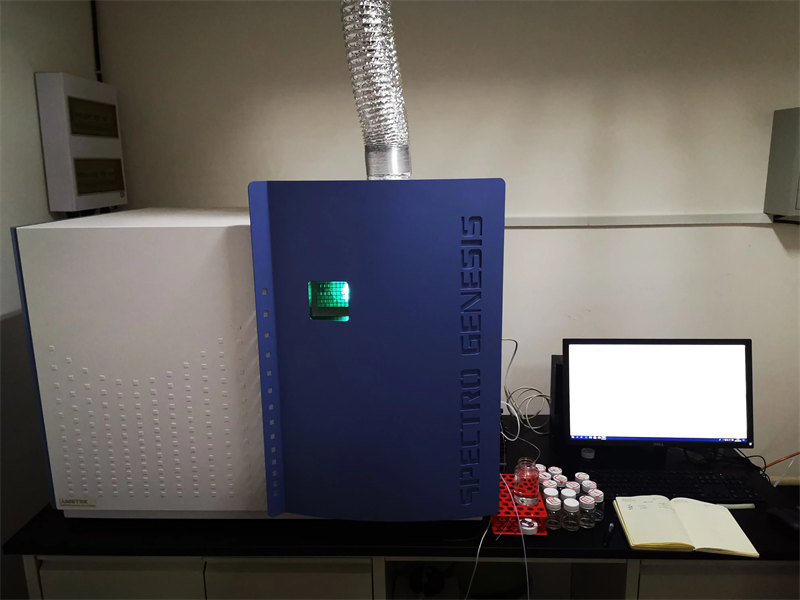
Correct approach: Periodically determine the active ingredient content using acid-base titration; do not rely solely on the refractometer. Samples should be sent for analysis at least once a month.
Water quality is the first element that be ignored.
Many factories use running water as the base fluid to formulate directly, but the water hardness has a significant impact on the cutting fluid's rust preventive protection. When chloride ion concentrations in the water exceed 200 ppm or sulfate ion concentrations exceed 300 ppm, the anti-rust film is compromised as the ions penetrate and destroy it. This issue is particularly severe in coastal areas.
pH value is the signal
The normal pH value is 8.5 to 9.5. When it is lower than 8.5, the bacteria will grow and the rust protection will fail. If the pH value is higher than 10 that can result in ferrous corrosion.
Different working processes need different rust preventive demands.
Aluminum alloy machining is susceptible to alkaline corrosion, so the pH level must not be too high; cast iron is highly prone to rusting, requiring a slightly higher concentration (by 2–3%); and copper alloy machining is sensitive to ammonium ions, necessitating the use of cutting fluids free from amine-based rust inhibitors. A "one-size-fits-all" concentration standard is often the root cause of rusting issues.