Can the HFC fire-resistant hydraulic oil be high non-flammable and good lubricant? It's a difficult problem for most hydraulic oil users.
The disadvantages of traditional hydraulic oils.
Owing to its strong fire-resistance, HFC hydraulic fluid has become the first choice of high temperature applications like metallurgy, and continuous casting machines.
But the traditional hydraulic fluids has the following shortcomings:
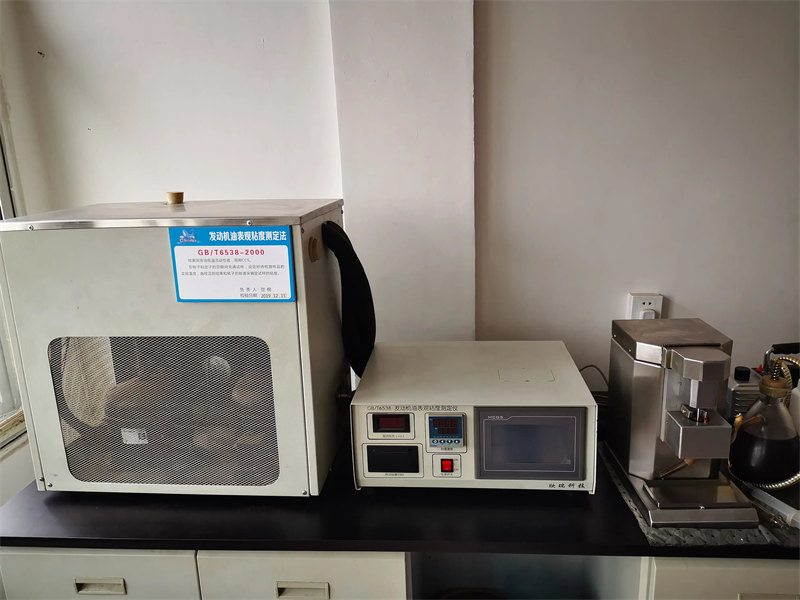
Poor lubricity: the traditional hydraulic oils' kinematic viscosity at 40 ℃ is only 43mm²/s (the mineral oil is about 68 mm²/s), which increases the wear.
Unstable performance: once the water vapors or mixed with oil sludge, the hydraulic oils' viscosity change quickly, and clog the filter.
High temperature failure: is easily to have a chemical reaction under high temperatures, causing the poor oil lubricant film stability.
The much progress of hydraulic fluids technology.
1. Molecular-Level Lubrication Enhancement Technology
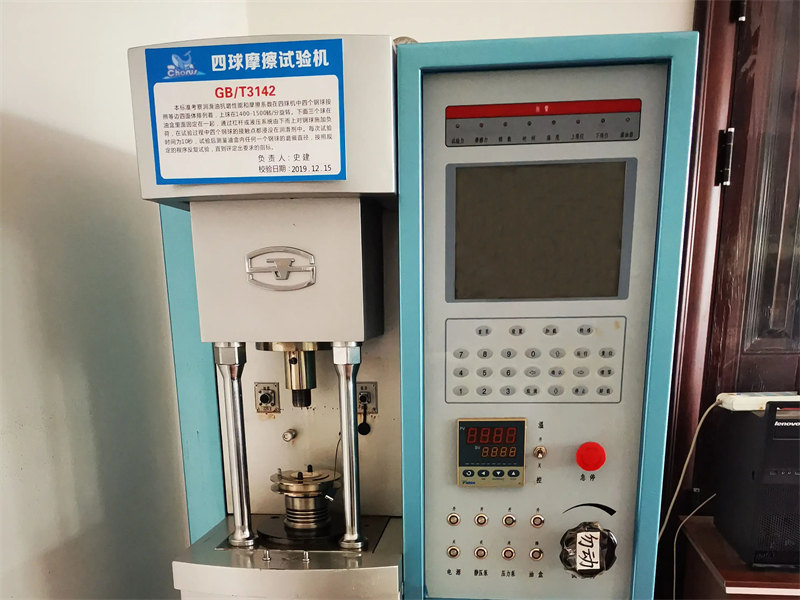
Nanoscale Extreme-Pressure & Anti-Wear Agents: Four-ball test wear scar diameter reduced to 0.50–0.60 mm (compared to approximately 0.8 mm for conventional products).
Intelligent Viscosity Regulation: Viscosity fluctuation range reduced by 60% in response to changes in water content.
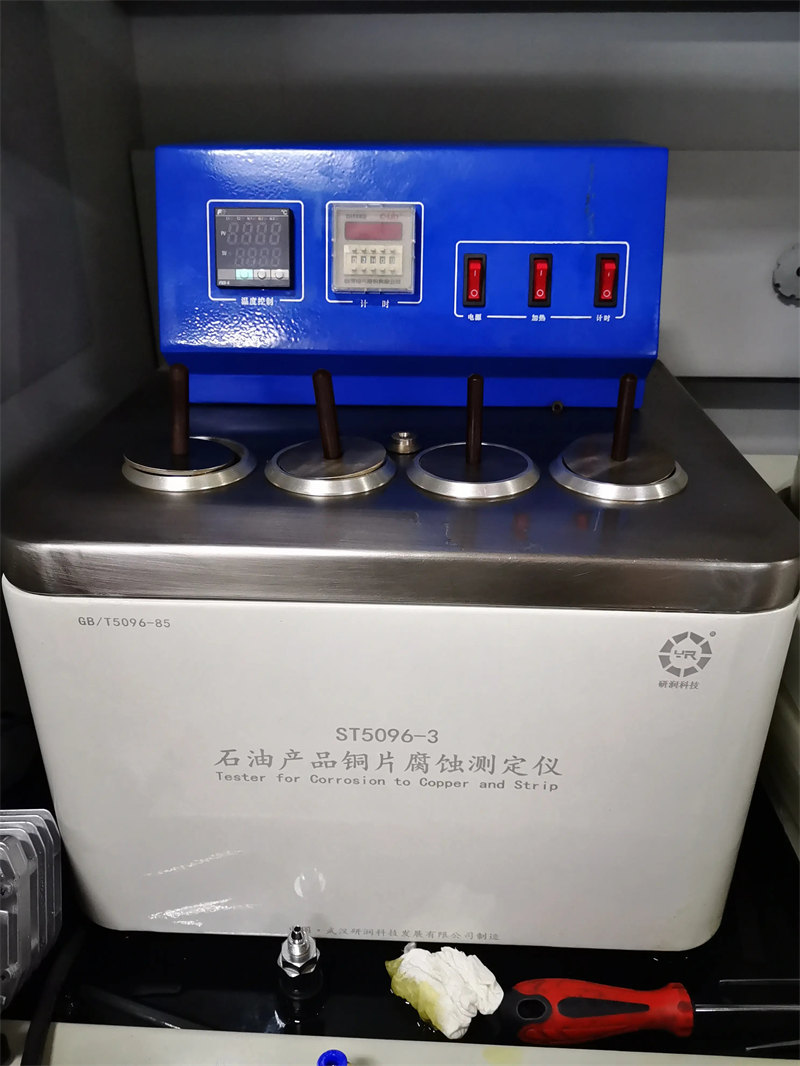
Composite Corrosion Inhibition System: Copper strip corrosion rating ≤ Grade 2; equipment service life extended by 30%.
The cooperate formulation of fire-resistant and lubricant
| Core Composition | Functional Innovations | Proven Performance |
|
High Pure Ethylene Glycol
|
Contains Vapor Phase Rust Inhibitor | Provides Rust Protection Even In Unsubmerged Areas |
| Special Additive Packages | Incorporates Self-Healing Lubricating Molecules | Plunger Wear (At 21 Mpa Pressure) <17 Mg |
| Stable Aqueous Based | Precise Ph Control: 9.0–11.0 | Resists Stratification And Degradation For 10 Years |
User Field Trials
A continuous casting machine at a steelworks shows the following results:
Maintenance Costs Reduced: The replacement cycle for plunger pumps was extended from 6 months to 18 months.
Energy Efficiency Improved: System pressure fluctuations were reduced by 15%, and hydraulic energy consumption per ton of steel produced decreased by 8%.
Safety Certification: Passed the U.S. FM fire-resistance standard.
Selection Guide
Application: For high-pressure systems operating above 25 MPa, the HFC-46 type is the preferred choice.
Key Specifications: Prioritize checking the Viscosity Index (≥160) and the Falex Friction Coefficient (≤0.08).
Compatibility: When retrofitting existing systems, all residual mineral oil must be thoroughly removed (residual oil content must be <0.1%).